
Unveiling the Powerhouses: Active Ingredients in Cosmetics
In the vast world of cosmetics, active ingredients are the unsung heroes that deliver real results. From combating the signs of aging to brightening the complexion and soothing inflammation, these powerhouses play a crucial role in enhancing the health and appearance of our skin. Let's delve into the different categories of active ingredients and explore some of the most commonly used ones.
Antioxidants: Guardians Against Oxidative Stress
Antioxidants have been a hot topic in the beauty industry for years, and for good reason. They are essential in protecting our skin from the damaging effects of free radicals, which are unstable molecules that can cause oxidative stress. Oxidative stress is linked to premature aging, wrinkles, hyperpigmentation, and a loss of Skin elasticity.
Our skin naturally produces antioxidants to combat free radicals, but external factors such as UV radiation, pollution, and cigarette smoke can overwhelm our natural defense system. This is where topical antioxidants in cosmetics come in. They help neutralize free radicals, preventing them from causing further damage to our skin cells.
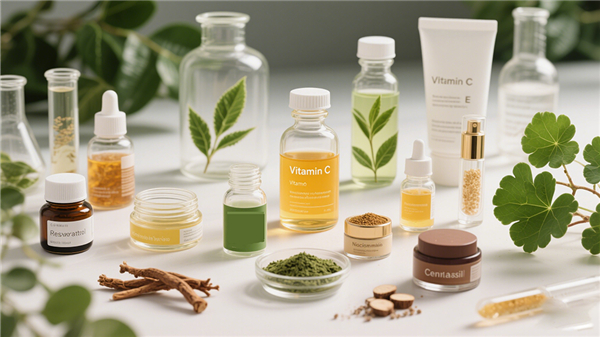
Some of the most well-known antioxidant ingredients in cosmetics include:
• Vitamin C: A powerful antioxidant that can help brighten the skin, reduce the appearance of dark spots, and stimulate collagen production. According to a study published in the Journal of Cosmetic Dermatology, topical application of vitamin C can improve skin texture, reduce the appearance of fine lines and wrinkles, and enhance skin radiance.
• Vitamin E:Another potent antioxidant that works in synergy with vitamin C to provide enhanced protection against free radicals. Vitamin E also helps to moisturize the skin and improve its barrier function. Research has shown that vitamin E can reduce the risk of sunburn and protect the skin from UV-induced damage.
• Green Tea Extract: Rich in polyphenols, particularly epigallocatechin-3-gallate (EGCG), green tea extract has strong antioxidant and anti-inflammatory properties. It can help calm irritated skin, reduce redness, and protect against environmental stressors. A study in the International Journal of Molecular Sciences found that EGCG can inhibit the production of inflammatory mediators in the skin, making it an effective ingredient for soothing sensitive skin.
• Resveratrol: A polyphenol found in grapes, red wine, and some berries, resveratrol has been shown to have antioxidant, anti-inflammatory, and anti-aging effects. It can help protect the skin from UV damage, reduce the appearance of wrinkles, and improve skin firmness. Research suggests that resveratrol may also have potential benefits for preventing skin cancer.
Anti-Aging Ingredients: Turning Back the Clock
As we age, our skin undergoes various changes, including a decrease in collagen and elastin production, a loss of skin elasticity, and the appearance of fine lines and wrinkles. Anti-aging ingredients in cosmetics are designed to target these signs of aging and help restore a more youthful complexion.
One of the key players in the anti-aging game is retinol, a derivative of vitamin A. Retinol has been extensively studied and proven to be effective in stimulating collagen production, increasing cell turnover, and reducing the appearance of fine lines and wrinkles. It can also help improve skin texture, reduce hyperpigmentation, and enhance skin radiance. A study published in the Journal of the American Academy of Dermatology found that topical retinol treatment for 12 months significantly improved the appearance of photoaged skin.
Another important anti-aging ingredient is hyaluronic acid. This naturally occurring substance in our skin is known for its ability to hold water, providing intense hydration and plumping up the skin. As we age, our skin's hyaluronic acid levels decrease, leading to dryness and a loss of volume. Topical application of hyaluronic acid can help replenish moisture, improve skin elasticity, and reduce the appearance of fine lines and wrinkles.
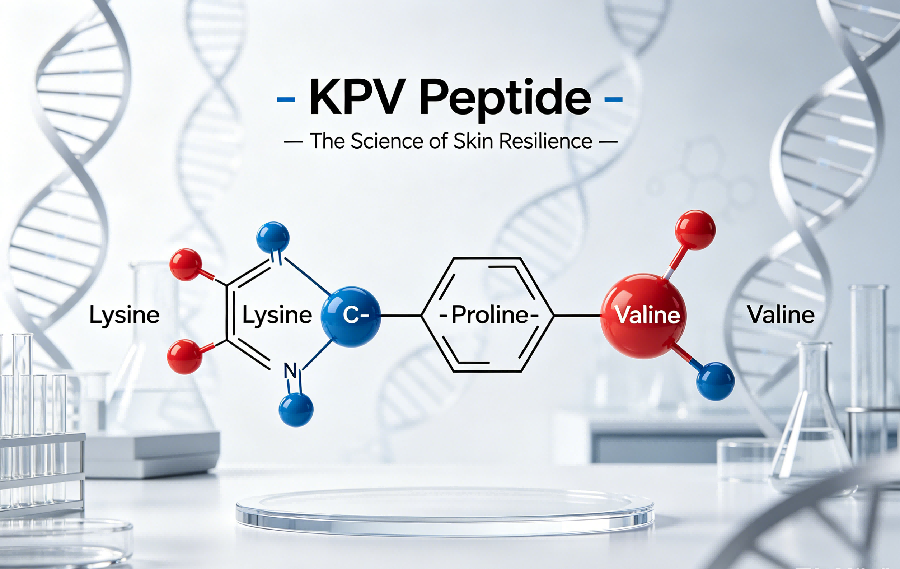
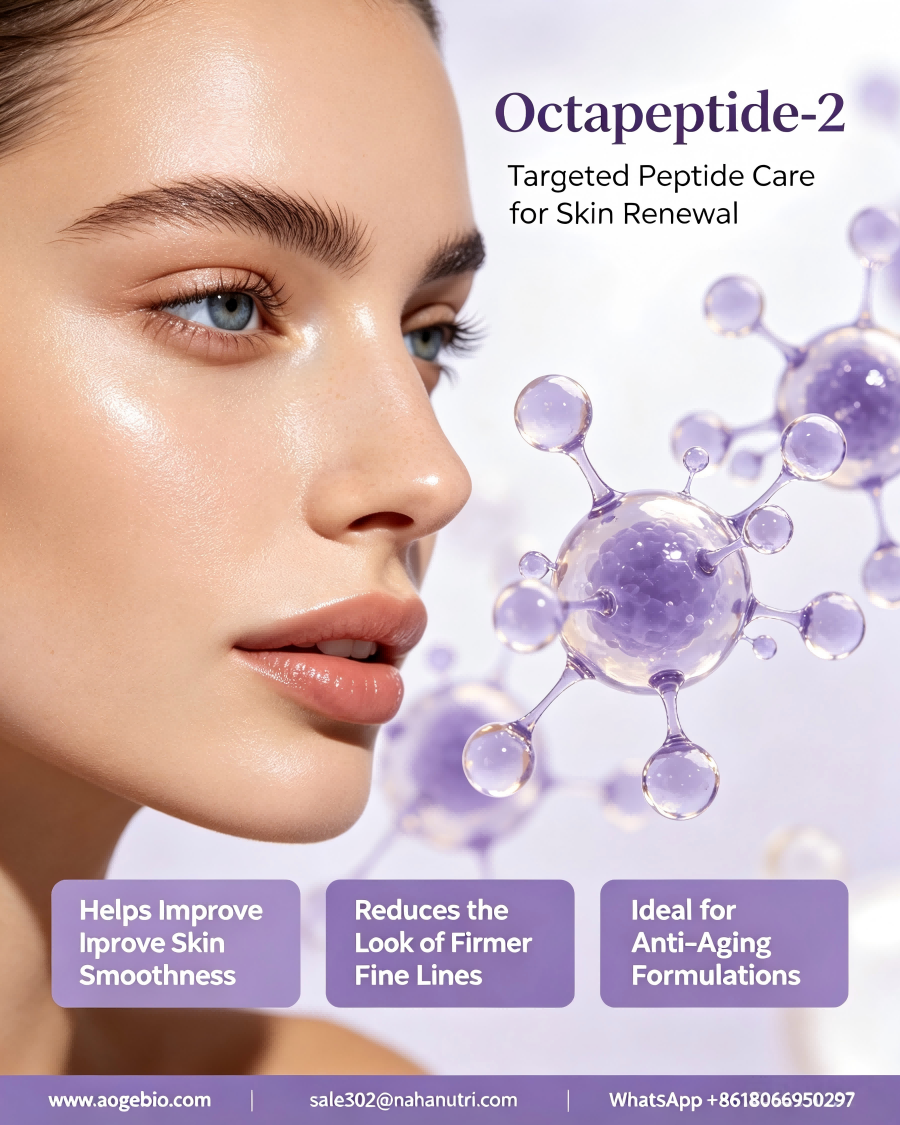
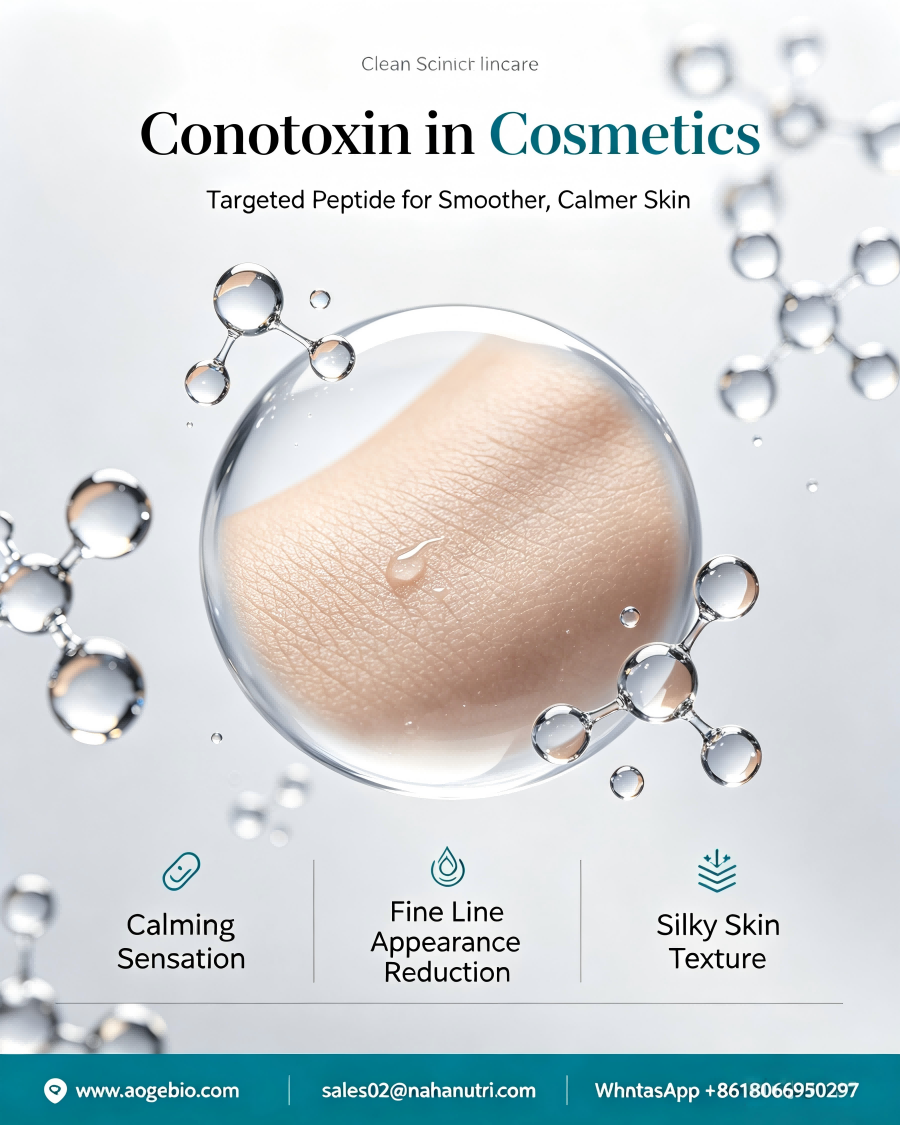
Peptides are also gaining popularity in the anti-aging market. These small chains of amino acids can signal the skin to produce more collagen and elastin, improving skin firmness and reducing the appearance of sagging. Different types of peptides target specific signs of aging, such as wrinkle reduction or skin tightening. A study in the International Journal of Cosmetic Science found that topical application of a peptide complex improved skin elasticity and reduced the depth of wrinkles.
Whitening Ingredients: Achieving a Brighter Complexion
Many individuals seek to brighten their complexion and reduce the appearance of dark spots and hyperpigmentation. Whitening ingredients in cosmetics work by inhibiting the production of melanin, the pigment responsible for skin color.
One of the most commonly used whitening ingredients is hydroquinone. It works by blocking the enzyme tyrosinase, which is involved in the production of melanin. Hydroquinone has been proven to be highly effective in reducing the appearance of dark spots and achieving a more even skin tone. However, due to potential side effects and safety concerns, its use is regulated in many countries.
Alternative whitening ingredients include:
• Arbutin: A natural derivative of hydroquinone, arbutin also inhibits tyrosinase activity, but with a lower risk of side effects. It can effectively reduce the production of melanin and brighten the skin. A study published in the Journal of Cosmetic Science found that arbutin treatment significantly reduced the appearance of hyperpigmentation.
• Vitamin C: As mentioned earlier, vitamin C not only has antioxidant properties but also inhibits melanin production. It can help lighten dark spots and even out the skin tone, making it a popular ingredient in whitening products.
• Niacinamide: This form of vitamin B3 has been shown to reduce the transfer of melanin to the skin's surface, resulting in a brighter complexion. It also helps to improve skin barrier function and reduce inflammation. A study in the British Journal of Dermatology found that topical niacinamide treatment for 12 weeks significantly improved skin texture and reduced hyperpigmentation.
Anti-Inflammatory Ingredients: Soothing Sensitive Skin
Skin inflammation can be caused by various factors, including sun exposure, allergies, irritants, and certain skin conditions such as acne and rosacea. Anti-inflammatory ingredients in cosmetics help to calm irritated skin, reduce redness, and alleviate discomfort.
Aloe vera is a well-known anti-inflammatory ingredient that has been used for centuries to soothe skin irritations. It contains polysaccharides, vitamins, and minerals that help to hydrate and calm the skin. A study published in the Journal of Ethnopharmacology found that aloe vera gel was effective in reducing inflammation and promoting wound healing.
Chamomile is another popular anti-inflammatory ingredient. It contains chamazulene and bisabolol, which have anti-inflammatory and antioxidant properties. Chamomile can help to soothe sensitive skin, reduce redness, and relieve itching. A study in the International Journal of Dermatology found that topical application of chamomile extract reduced skin inflammation in patients with atopic dermatitis.
Other anti-inflammatory ingredients include:
• Licorice Root Extract: Contains glabridin, which has been shown to have anti-inflammatory and skin-lightening effects. It can help reduce redness and inflammation, as well as improve skin tone.
• Centella Asiatica: Also known as gotu kola, centella asiatica has anti-inflammatory, antioxidant, and wound-healing properties. It can help strengthen the skin's barrier function and reduce the appearance of redness and irritation.
• Colloidal Oatmeal: Soothes and protects the skin, reducing inflammation and itching. It also helps to hydrate the skin and improve its barrier function.
Cell Renewal Promoters: Revitalizing the Skin
Cell renewal is a natural process in which old skin cells are shed and replaced with new ones. However, as we age, this process slows down, leading to a dull and tired complexion. Cell renewal promoters in cosmetics help to stimulate the production of new skin cells, resulting in a fresher, more radiant complexion.
Exfoliating ingredients such as alpha-hydroxy acids (AHAs) and beta-hydroxy acids (BHAs) are commonly used to promote cell renewal. AHAs, such as glycolic acid and lactic acid, work by dissolving the bonds between dead skin cells, allowing them to be easily shed. BHAs, such as salicylic acid, penetrate deeper into the pores, exfoliating the skin from within and helping to unclog pores. A study published in the Journal of the American Academy of Dermatology found that topical application of AHAs improved skin texture, reduced the appearance of fine lines and wrinkles, and increased skin radiance.
Retinol, which we mentioned earlier as an anti-aging ingredient, also promotes cell renewal. It stimulates the production of new skin cells and increases the turnover of the epidermis, leading to a smoother and more youthful complexion.In addition to these well - known ingredients, there are many other emerging actives in the cosmetic industry that show great potential in enhancing skin health and appearance. These ingredients are constantly being researched and incorporated into new products, offering consumers even more options to achieve their skincare goals.
In conclusion, understanding the different types of active ingredients in cosmetics can help you make more informed choices when selecting skincare products. Whether you're looking to combat the signs of aging, brighten your complexion, soothe sensitive skin, or promote cell renewal, there are a variety of effective ingredients available. However, it's important to note that everyone's skin is different, and what works for one person may not work for another. It's always a good idea to patch test new products and consult with a dermatologist or skincare professional if you have any concerns or specific skin conditions.By staying informed about the latest research and developments in active ingredients, you can stay ahead in the ever - evolving world of skincare and make choices that are best for your unique skin. So, whether you're just starting your skincare journey or are a seasoned beauty enthusiast, keeping tabs on these active ingredients can truly transform your skincare routine and help you achieve the skin of your dreams.