

Fragrances and Essences in Cosmetic Ingredients: A Comprehensive Analysis of Their Components, Functions and Safety
In the world of cosmetics, flavors and fragrances play a crucial role in enhancing the sensory experience of products. They not only add pleasant scents but also contribute to the overall appeal and effectiveness of cosmetics. This article will delve into the different types of flavors and fragrances used in cosmetics, including essential oils, synthetic fragrances, and food - grade flavors, providing a comprehensive understanding of their properties, uses, and safety aspects.
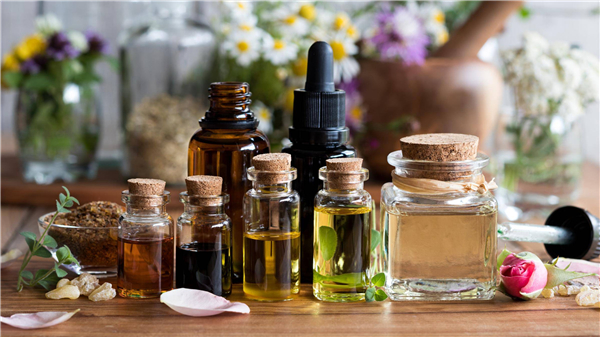
Essential oils are highly concentrated liquids extracted from various parts of plants, such as flowers, leaves, fruits, and roots, through methods like steam distillation, cold - pressing, or solvent extraction. They have been used for centuries in traditional medicine and beauty treatments, and their popularity in modern cosmetics is on the rise.
- Lavender Essential Oil: Renowned for its calming and soothing properties, lavender essential oil is a staple in many skincare products. It can help reduce skin inflammation, promote relaxation, and even improve sleep quality when used in aromatherapy. A study published in theJournal of Alternative and Complementary Medicinefound that Lavender Oil inhalation significantly reduced stress and anxiety levels in participants.
- Tea Tree Essential Oil: Well - known for its antibacterial and antifungal properties, tea tree oil is commonly used in acne - fighting products. It can effectively kill the bacteria that cause acne and help unclog pores. Research in the British Journal of Dermatologyhas shown that tea tree oil is as effective as some over - the - counter Acne Treatments, but with fewer side effects.
- Rose Essential Oil: Rose oil is highly valued for its moisturizing and anti - aging properties. It can help improve skin texture, reduce the appearance of fine lines and wrinkles, and give the skin a natural glow. The International Journal of Cosmetic Sciencehas reported on the beneficial effects of rose oil on skin hydration and elasticity.
Essential oils offer a wide range of benefits for the skin and body. In addition to their aromatic qualities, they can have therapeutic effects. For example, they can:
- Improve Skin Health: Some essential oils, like chamomile oil, are known for their anti - inflammatory properties, which can soothe irritated skin and reduce redness.
- Enhance Mood: The pleasant scents of essential oils can have a positive impact on mood. For instance, citrus - based essential oils such as lemon and orange can uplift the spirit and increase energy levels.
- Provide Antioxidant Protection: Many essential oils, including frankincense oil, contain antioxidants that can help protect the skin from free - radical damage, which is associated with premature aging.
While essential oils are natural, they are highly concentrated and can cause skin irritation or allergic reactions in some individuals. It's important to use them in moderation and properly dilute them before applying to the skin. Pregnant women, nursing mothers, and people with certain medical conditions should also consult a healthcare provider before using essential oils.
Synthetic fragrances are man - made compounds designed to mimic natural scents or create unique olfactory experiences. They are widely used in the cosmetics industry due to their stability, affordability, and consistent quality.
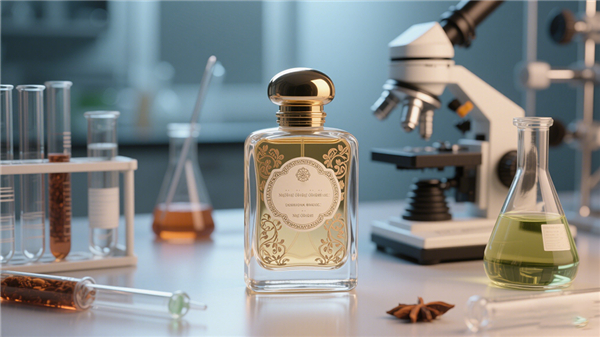
Synthetic fragrances are typically created through chemical reactions in a laboratory. Chemists combine various chemical compounds to replicate the scent of natural substances or develop entirely new scents. For example, synthetic musks are created to imitate the musky scent found in certain animals, and synthetic floral compounds can recreate the smell of roses, jasmine, or lilies.
- Aldehyde Fragrances: Aldehydes are a class of synthetic compounds that can add a fresh, clean, and sharp note to fragrances. Chanel No. 5, one of the most famous perfumes in the world, is known for its prominent aldehyde notes.
- Esters: Esters are commonly used to create fruity scents in synthetic fragrances. For example, ethyl acetate can produce a sweet, fruity aroma similar to that of pears or apples.
- Synthetic Musks: These are used to add a warm, sensual, and long - lasting base note to fragrances. They have been widely used in perfumes, deodorants, and body lotions.
Synthetic fragrances offer several advantages. They are often more stable than natural scents, which means they can maintain their aroma for longer periods in cosmetic products. They are also more cost - effective to produce, making them accessible for a wide range of products. However, some synthetic fragrances have raised concerns. Some studies have suggested that certain synthetic musk compounds may have potential endocrine - disrupting effects. The European Union has restricted the use of some synthetic musk compounds in cosmetics due to potential health risks.
Food - grade flavors are substances that are approved for use in food products but are also sometimes used in cosmetics, especially in products like lip balms, toothpaste, and edible beauty products.
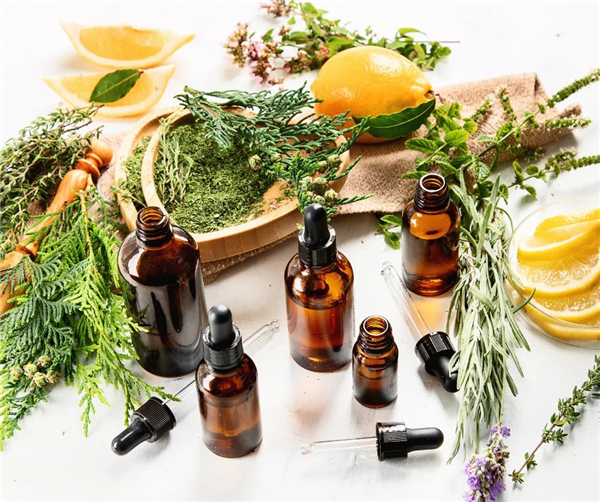
- Vanilla Extract: Vanilla is a popular food - grade flavor used in lip balms and some skincare products. It has a sweet, warm scent that many people find appealing. In addition to its aromatic properties, vanilla extract may also have some antioxidant benefits.
- Peppermint Oil: Peppermint oil is often used in toothpaste and lip products. It provides a cooling, refreshing sensation and has antibacterial properties that can help keep the mouth clean and fresh. Research in the Journal of Medicinal Foodhas shown that peppermint oil can have a positive impact on oral health.
- Fruit Flavors: Flavors such as strawberry, cherry, and watermelon are commonly used in lip balms and lip glosses. These flavors not only add a pleasant taste but also enhance the overall sensory experience of the product.
Food - grade flavors used in cosmetics are generally considered safe as they are approved for ingestion in food products. However, they still need to comply with cosmetic regulations. For example, the amount of flavor used in a cosmetic product must be appropriate and not cause any adverse effects on the skin. The U.S. Food and Drug Administration (FDA) and the European Union's regulatory bodies have strict guidelines regarding the use of food - grade flavors in cosmetics to ensure consumer safety.

Flavors and fragrances, whether in the form of essential oils, synthetic fragrances, or food - grade flavors, are integral components of the cosmetics industry. Essential oils offer natural, therapeutic benefits but require careful handling. Synthetic fragrances provide stability and a wide range of scent options, yet some may have potential health concerns. Food - grade flavors add a unique touch to certain cosmetic products and are generally safe when used within regulatory limits. As consumers, it's important to be aware of the ingredients in our cosmetics and make informed choices based on our preferences and health considerations. By understanding the properties and safety aspects of these flavors and fragrances, we can enjoy the delightful scents and benefits that cosmetics have to offer.