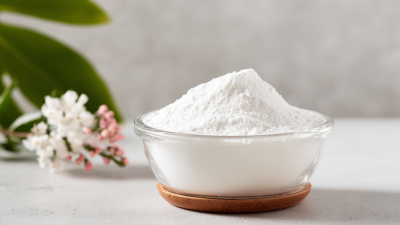
As we look ahead to 2026, it’s pretty clear that Ferulic Acid is becoming more and more relevant across different industries. I recently came across Dr. Emily Thompson from BioNutra Labs, who mentioned that Ferulic Acid is really starting to become a go-to ingredient in natural skincare. She said, "Ferulic Acid is quickly becoming a staple in natural cosmetic formulas because of its impressive antioxidant benefits." Honestly, this just shows how much demand there’s now forNatural Ferulic Acid cosmetics from people all over the world.
Basically, Ferulic Acid, which you get from plants, is known for protecting skin from all those environmental stressors we face daily. Plus, it boosts the stability of other antioxidants, making it a pretty sought-after ingredient in things like serums and moisturizers. Everyone seems really interested in natural and eco-friendly beauty products lately, and that’s definitely pushing the market forward.
That said, there are some hurdles, especially when it comes to sourcing and manufacturing. Not every supplier can meet the strict quality standards needed for effective skincare. So, knowing the ins and outs of Ferulic Acid’s benefits and where to find good quality stuff is super important if you wanna make smart buying choices. Staying updated with industry trends and expert opinions really helps navigate this fast-changing landscape, for sure.
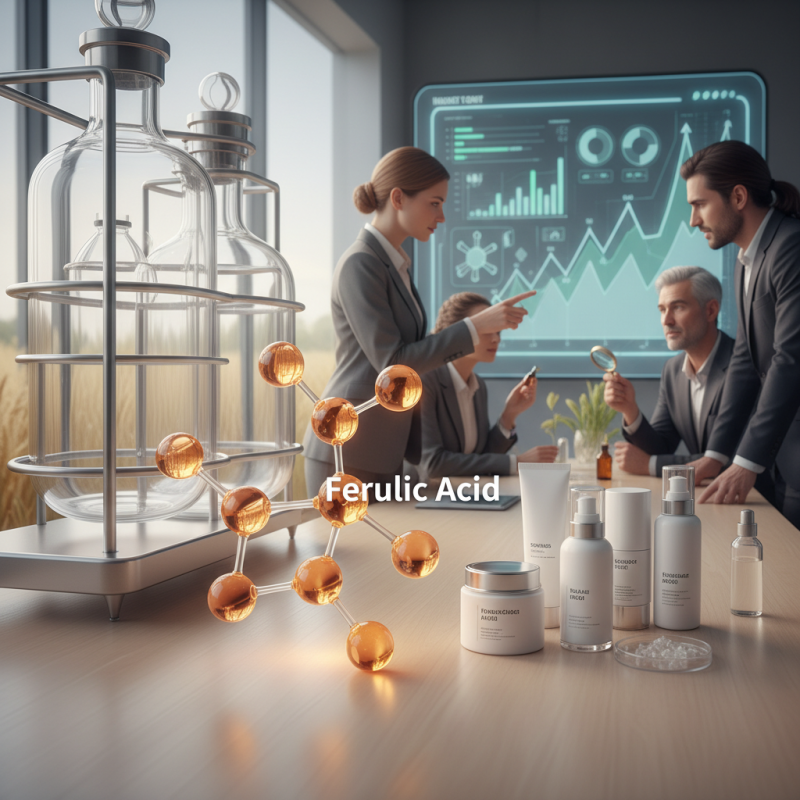
Applications of Ferulic Acid in Skincare Products
Ferulic acid has gained popularity in the skincare industry, especially in 2026. This compound is known for its powerful antioxidant properties. It helps protect the skin against free radicals that can cause premature aging. Many consumers are looking for effective ingredients like Natural Ferulic Acid skincare.
This ingredient is often used in serums and creams. It enhances the stability of vitamins C and E, making them more effective. Regular use may improve skin texture and brightness. Ferulic acid can also help with sun damage repair. However, not all products are created equal. Some formulations may not deliver the expected results.
While ferulic acid shows promise, it isn't a miracle solution. Individual skin types react differently to various ingredients. Conducting patch tests before using new products is advisable. It's important to consult with a skincare professional. Understanding how ferulic acid interacts with your skin is essential for achieving the best results. The journey to effective skincare is often filled with trial and error.
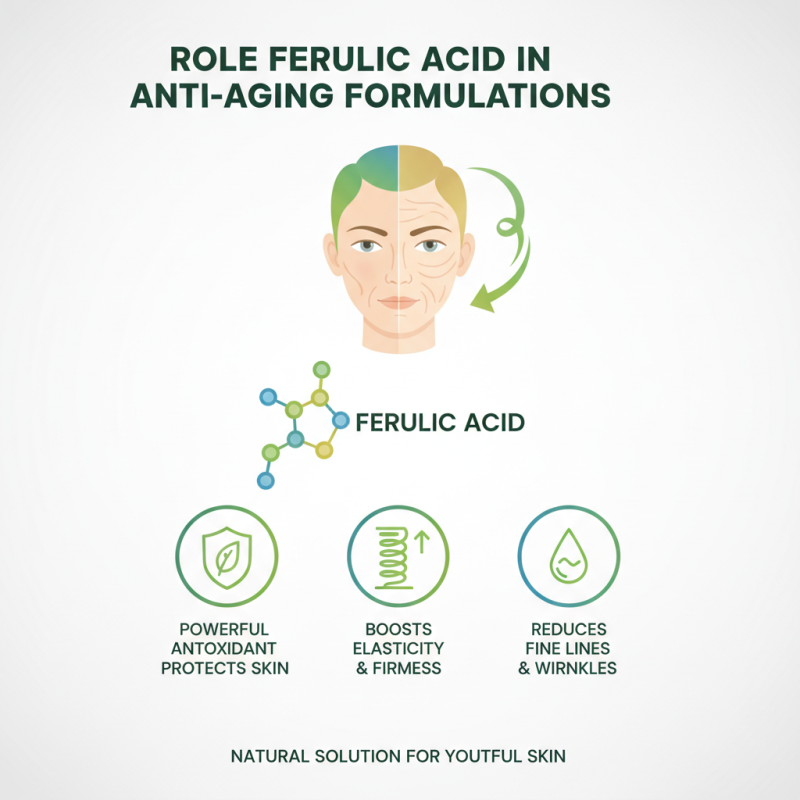
Role of Ferulic Acid in Anti-Aging Formulations
Ferulic acid is gaining attention in anti-Aging Skincare formulations. This powerful antioxidant offers numerous benefits for skin health. As we age, our skin loses elasticity and develops fine lines. Ingredients likeNatural Ferulic Acid antioxidant can help counteract these effects.
Studies suggest that ferulic acid enhances the stability of other vitamins. It works synergistically with vitamin C and E, amplifying their protective effects. This combination neutralizes free radicals effectively. Enhanced cellular repair can lead to smoother, more youthful skin. Consumers are increasingly seeking formulations that include this potent compound.
Despite its benefits, some formulations may react with certain skin types. Patch testing is advisable to ensure compatibility. The right concentration is crucial for effectiveness. Balancing hydration and antioxidant protection can be challenging. Overall, ferulic acid remains a noteworthy ingredient in the pursuit of ageless skin, promising exciting advancements in 2026.
Ferulic Acid's Contribution to Sun Protection Products
Ferulic acid has gained remarkable attention in the cosmetic industry, particularly for its role in sun protection products. This powerful antioxidant has a unique ability to neutralize free radicals created by UV exposure. As consumers become more health-conscious, the demand for natural ingredients in skincare has surged. Ferulic acid, derived from various plants, fits this trend perfectly.
Incorporating ferulic acid into sun protection formulations enhances their efficacy. It stabilizes vitamins C and E, boosting their antioxidant properties. Products containing this ingredient can work synergistically to provide better defense against skin damage. Many see an improvement in skin texture and tone after consistent use.
Tips for consumers: Look for products labeled with "Natural Ferulic Acid anti-aging." Always check the ingredient list for effective concentrations. While ferulic acid proves beneficial, it’s important to maintain realistic expectations. Not every product will work the same for everyone. Patch testing is advisable to avoid any adverse reactions. Stay informed on ingredient usage to make educated choices for your skin health.
Utilization of Ferulic Acid in Food Preservation
Ferulic acid has gained popularity in food preservation due to its natural antioxidant properties. In 2026, global buyers will increasingly seek this compound as they look for healthier preservation methods. Ferulic acid can prevent spoilage and maintain food quality during storage. Its capability to extend shelf life is vital in today's fast-paced world.
One effective way to utilize ferulic acid is through infusions or coatings on perishable items. This method provides a protective barrier against microbial growth. It can be combined with other natural preservatives, enhancing its efficacy. Remember, the concentration and application method can greatly impact results.
Tips: Always conduct small-scale tests before large-scale application. This ensures the method is effective without altering the food's flavor. Monitor the food's condition over time, as environmental factors can influence preservative effectiveness. Every application might not yield perfect results, prompting further exploration into optimal use. Adapting to specific food types is essential for success.
Ferulic Acid's Emerging Role in Pharmaceutical Innovations
Ferulic acid is emerging as a vital player in pharmaceutical innovations by 2026. This compound, derived from various plant sources, is gaining attention for its diverse applications in medicine. Recent industry reports highlight a steady growth trajectory, with a projected market increase of over 7% annually. This growth is being fueled by ferulic acid's antioxidant properties, making it a potential treatment for various conditions, including cardiovascular diseases and diabetes.
Research indicates that ferulic acid has the ability to enhance drug efficacy. Its role as a stabilizer for certain pharmaceutical compounds can lead to improved shelf life and potency. Many studies reveal it protects drugs from oxidative degradation. This characteristic is particularly appealing to manufacturers looking to enhance product reliability. Incorporating ferulic acid may change how drugs are formulated in the near future.
Tips: Always check the sourcing of ferulic acid. Quality varies significantly. Ensure the raw materials are from reputable suppliers. Stay updated on clinical trials and research outcomes. The landscape of pharmaceutical applications for ferulic acid is evolving rapidly. Understanding its full potential requires continuous learning and adaptability.
Top Uses of Ferulic Acid in 2026 for Global Buyers
| Application Area | Description | Market Growth (%) | Key Benefits |
| Cosmetics | Used for anti-aging and skin brightening formulations. | 15 | Antioxidant properties, enhances skin health. |
| Pharmaceuticals | Incorporated in formulations for anti-inflammatory drugs. | 20 | Reduces inflammation, promotes healing. |
| Nutraceuticals | Added to dietary supplements for health benefits. | 18 | Supports cardiovascular health, enhances immunity. |
| Food Industry | Used as a natural preservative and antioxidant. | 10 | Extends shelf life, maintains food quality. |
| Agriculture | Incorporated in plant growth regulators. | 12 | Enhances plant resilience, promotes growth. |
Ferulic Acid in Nutritional Supplements and Functional Foods
Ferulic acid is gaining traction in nutritional supplements and functional foods. This compound is rich in antioxidants, helping to combat oxidative stress, which is crucial for maintaining overall health. Many consumers seek this ingredient for its potential benefits in supporting immune function and reducing inflammation.
Incorporating ferulic acid into functional foods is a trend that reflects growing health awareness. Smoothies, energy bars, and even baked goods can now include this nutrient. As global buyers look for innovative formulations, the demand for this compound is likely to rise. Some studies suggest that ferulic acid can enhance nutrient absorption, thus elevating its value in various products.
Natural Ferulic Acid hair care is an emerging application that showcases versatility. Some formulations claim to benefit hair health and promote shine. However, not all products deliver consistent results. It’s important for consumers to research and choose wisely. As the market evolves, greater clarity on the efficacy of ferulic acid in varied applications is essential for informed decisions.
Future Trends in Ferulic Acid Applications for Global Buyers
In 2026, ferulic acid is set to become a key ingredient in various industries. Its applications will stretch from skincare to food production. Global buyers should focus on emerging trends that enhance efficacy and sustainability. The skincare industry will likely leverage its antioxidant properties more. This will cater to a growing consumer demand for natural ingredients. More innovative formulations will appear, highlighting ferulic acid's ability to stabilize vitamin C.
The food industry will also expand its use of ferulic acid. Its potential as a preservative and dietary supplement will gain attention. Expect to see increased research into its health benefits. As awareness of antioxidants grows, ferulic acid may become essential in health foods. The challenge lies in sourcing high-quality ferulic acid. Ensuring reliability in the supply chain will be crucial.
Tips: When considering ferulic acid, prioritize suppliers with clear sourcing practices. Check for certifications that confirm quality and efficacy. Be mindful of market trends, as they can influence pricing. Analyzing consumer preferences will enhance your purchasing decisions.
Conclusion
Ferulic Acid is gaining significant traction in various industries, particularly in skincare and nutrition. In 2026, its applications in skincare products highlight its antioxidant properties, making it a popular ingredient in anti-aging formulations that combat visible signs of aging. Moreover, Ferulic Acid enhances the effectiveness of sun protection products, contributing to better skin defense against UV rays.
Beyond skincare, Ferulic Acid is emerging in food preservation, leveraging its natural antioxidant capabilities to extend shelf life. Its role in pharmaceutical innovations is also on the rise, potentially offering new therapeutic options. Additionally, Ferulic Acid is increasingly being incorporated into nutritional supplements and functional foods, driven by consumer demand for health benefits. As global buyers continue to seek products with beneficial components, the trend indicates a promising future for Ferulic Acid across various applications.