Leave Your Message
Explore our curated range of cosmetic-grade sodium actives, each engineered for seamless formulation blending with Sodium Hyaluronate to deliver superior skin-feel, efficacy, and stability.
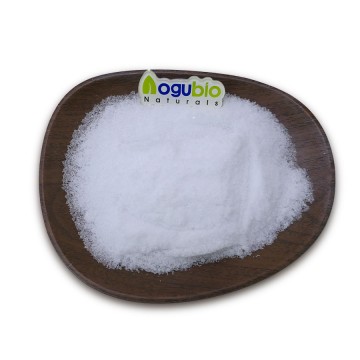
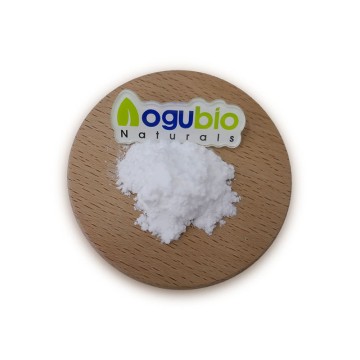
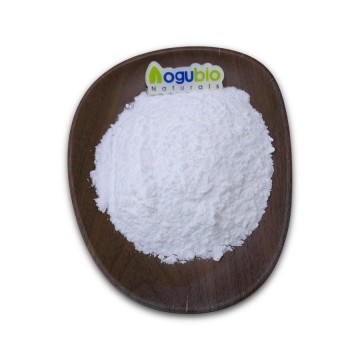
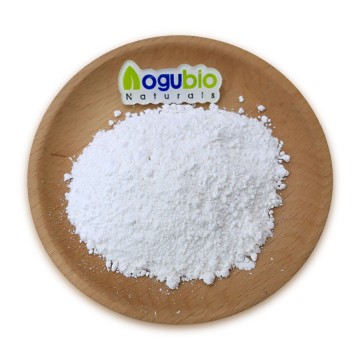
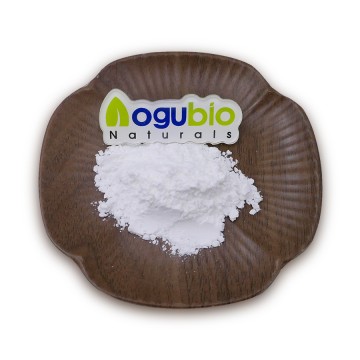
Sodium Hyaluronate (SH) is the sodium salt of Hyaluronic Acid — a naturally occurring glycosaminoglycan found in human connective tissue. In cosmetic active ingredient formulation and blending, it serves as a cornerstone humectant, film-former, and delivery vehicle, enabling formulators to build high-performance moisturizers, serums, and multifunctional actives with exceptional skin compatibility.
Modern cosmetic formulation leverages multiple molecular weight grades of Sodium Hyaluronate. High-MW (1,000–1,800 kDa) grades form a protective moisture-retaining film on the skin surface, while low-MW (10–50 kDa) and ultra-low-MW grades penetrate deeper into the epidermis, delivering hydration and supporting dermal matrix integrity at a cellular level. Cross-linked variants are increasingly used in long-wear and film-forming applications.
Sodium Hyaluronate exhibits outstanding compatibility with a broad spectrum of cosmetic actives — including Vitamin C derivatives (e.g., Sodium Ascorbyl Phosphate), peptides, niacinamide, retinoids, and amino acid-based surfactants. Its anionic polyelectrolyte nature allows stable incorporation into emulsions, hydrogels, toners, and leave-on serums across a wide pH range (4.5–7.5), making it one of the most versatile blending ingredients in modern cosmetic chemistry.
One gram of Sodium Hyaluronate can bind up to 6 liters of water — an unmatched water-retention capacity among cosmetic humectants. This property is central to formulating plumping serums, intensive moisturizers, and eye creams where immediate and sustained hydration is paramount. When blended with occlusives and emollients, SH creates a multi-layered moisture delivery system that outperforms single-ingredient formulations.
The shift from animal-derived (rooster comb) to microbial fermentation (Streptococcus zooepidemicus or Bacillus subtilis) has dramatically improved the purity, consistency, and ethical profile of cosmetic-grade Sodium Hyaluronate. Fermentation-derived SH achieves >99% purity with tightly controlled molecular weight distribution — a critical specification for formulators targeting sensitive skin, clinical skincare, and vegan-certified product lines.
Sodium Hyaluronate holds a unique position in the global cosmetics raw materials market — it is simultaneously a functional active, a texture modifier, a delivery enhancer, and a skin-identical ingredient. Its multifunctionality makes it indispensable in formulation blending strategies across every major cosmetic category.
From lightweight essences to clinical-grade repair creams, Sodium Hyaluronate enables formulators to engineer highly targeted cosmetic solutions across diverse product categories and skin concerns.
Multi-weight SH blends (combining high, low, and nano-molecular grades) are formulated into concentrated serums to address volume loss, fine lines, and skin elasticity. When co-formulated with peptides and growth factors, SH acts as a delivery matrix that enhances active penetration and prolongs bio-activity on the skin surface.
SH is increasingly blended into sunscreen formulations alongside UV filters like Terephthalylidene Dicamphor Sulfonic Acid to improve spreadability, skin feel, and post-UV hydration recovery. Its film-forming properties also help stabilize UV filter distribution across the skin surface for more uniform SPF performance.
When blended with amino acid surfactants such as Sodium Lauroyl Sarcosinate, Sodium Lauroyl Glutamate, or Sodium Cocoyl Glycinate, SH helps counteract the potential drying effect of cleansing, leaving a moisturized, comfortable skin feel post-wash. This "cleanse + hydrate" dual-function approach is a dominant trend in premium facial cleansers and body washes.
Low-MW Sodium Hyaluronate combined with ceramide precursors and panthenol forms the backbone of barrier-repair formulations for sensitive, compromised, or post-procedure skin. The ingredient's inherent biocompatibility and anti-inflammatory properties make it ideal for dermatologist-tested and clinical skincare product development.
SH is gaining traction in makeup formulations — particularly in hydrating foundations, BB/CC creams, lip plumpers, and setting sprays — where it provides a skin-conditioning base that improves wear comfort and reduces the dry, cakey appearance associated with conventional makeup. Its compatibility with pigments and film-formers makes it a versatile blending agent in color cosmetics.
Sodium Hyaluronate is being incorporated into scalp serums, hair masks, and conditioners to address scalp dryness, flakiness, and hair fiber hydration. Its substantivity to hair keratin and scalp skin, combined with its non-greasy texture, makes it a preferred humectant for premium haircare formulation blending.
The global Sodium Hyaluronate market for cosmetics is experiencing robust growth driven by clean beauty demand, clinical skincare expansion, and advanced fermentation biotechnology.
The global cosmetic Sodium Hyaluronate market was valued at over USD 1.2 billion in 2023 and is projected to exceed USD 2.8 billion by 2032, driven by surging demand in Asia-Pacific skincare markets, premium anti-aging product launches, and the premiumization of mass-market cosmetics.
Next-generation Sodium Hyaluronate innovations include nano-encapsulated SH for enhanced transdermal delivery, enzymatically fragmented oligomers for receptor-mediated skin signaling, and acetylated SH variants with improved lipophilicity for oil-phase formulation blending — representing the frontier of cosmetic active ingredient science.
Consumer demand for vegan, cruelty-free, and sustainably sourced cosmetic ingredients is accelerating the transition to 100% fermentation-derived Sodium Hyaluronate. Brands increasingly require full traceability, non-GMO fermentation substrates, and third-party vegan certification as standard procurement criteria.
The industry is moving beyond single-ingredient application toward pre-blended SH complexes — combining Sodium Hyaluronate with Sodium Ascorbyl Phosphate (brightening), niacinamide (pore-refining), and amino acid actives (barrier support) into ready-to-use formulation concentrates that reduce R&D complexity for cosmetic manufacturers.
The convergence of dermatology and cosmetics is driving demand for pharmaceutical-grade Sodium Hyaluronate in dermo-cosmetic formulations targeting specific skin conditions — rosacea, eczema, post-laser recovery, and hyperpigmentation — where clinical efficacy data and regulatory compliance are as important as cosmetic elegance.
China has emerged as the world's dominant producer of cosmetic-grade Sodium Hyaluronate, accounting for over 80% of global fermentation capacity. Leading Chinese biotech manufacturers are investing heavily in GMP-certified production, molecular weight fractionation technology, and international regulatory compliance (EU Cosmetics Regulation, US FDA, REACH) to serve global cosmetic brands.
Founded in 2013 and headquartered in the prestigious high-tech zone of Xi'an, Xi'an Aoge Biotech Co., Ltd., along with its subsidiaries Xi'an Imaherb Biotech Co., Ltd. and Xi'an Nahanutri Biotech Co., Ltd., has established itself as a leading force in the cosmetics raw materials industry.
Our expansive cooperative factory, spanning 1,000 mu (approximately 165 acres), is equipped with state-of-the-art extraction technology. This advanced infrastructure allows us to manufacture a wide array of premium cosmetic raw materials. Our product line includes natural plant extracts specifically designed for organic cosmetics, as well as synthetic ingredients for high-end skincare formulations.
These raw materials serve as the foundation for a multitude of skincare, haircare, and makeup products, ensuring superior quality and efficacy throughout the entire production process.
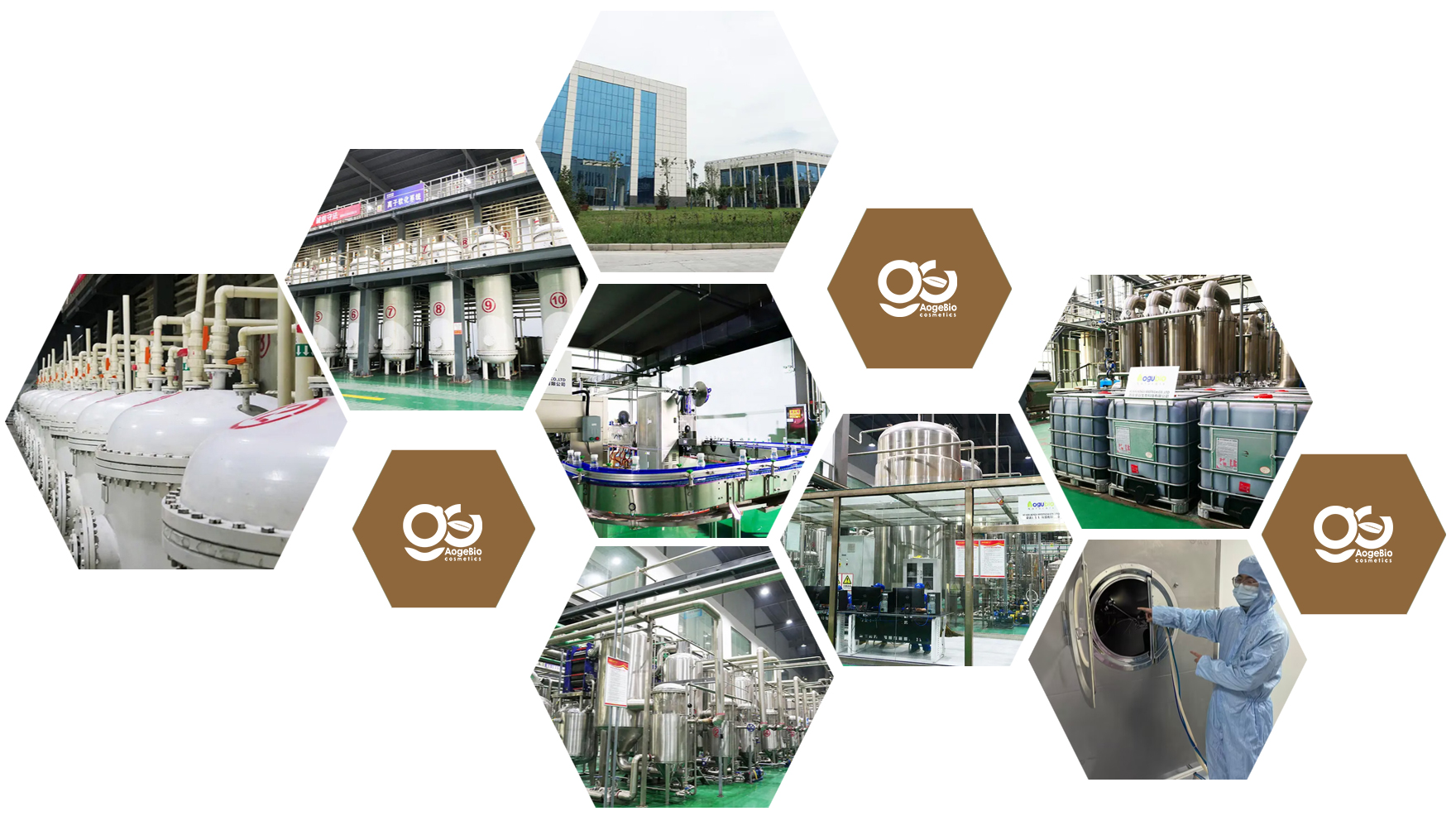
Our in-house laboratory is equipped with cutting-edge instruments for rigorous quality control. We utilize UPLC and HPLC for analyzing active components, GC and GC-MS for detecting solvent residues, ICP-MS for identifying heavy metals, and GC/LC-MS-MS for assessing pesticide residues. Additionally, we employ HPTLC and IR for identification purposes, ELISA for determining ORAC values, PSL for evaluating irradiation residues, and conduct comprehensive microbiology tests. These measures guarantee that our raw materials adhere to stringent international standards.
At Aogebio, innovation, quality, and sustainability are the bedrock of our corporate philosophy.
We pour relentless efforts into research and development, constantly exploring novel raw materials and advanced manufacturing techniques to stay ahead in the dynamic cosmetics industry.
Rigorous quality control is embedded in every step of our production process, from raw material sourcing to final product delivery, guaranteeing that each item adheres to the most stringent international standards.
We actively embrace sustainable practices, striving to minimize our environmental footprint through eco-friendly production methods and responsible sourcing of cosmetic active ingredients.
This unwavering dedication enables us not only to consistently offer products of unparalleled excellence but also to contribute to the long-term, healthy development of the entire cosmetics industry.
Our full portfolio of sodium-based cosmetic actives — each formulated for superior compatibility with Sodium Hyaluronate in professional cosmetic blending applications.