Leave Your Message
Explore our core skin-brightening active ingredients — scientifically formulated to deliver visible luminosity, even skin tone, and superior safety profiles for modern cosmetic formulations.
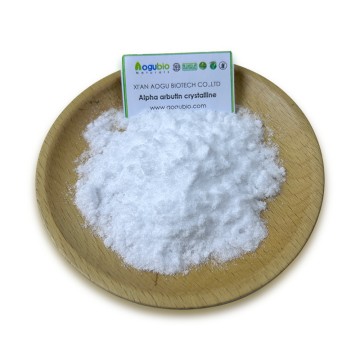
Beta-Arbutin (β-Arbutin), chemically known as 4-hydroxyphenyl-β-D-glucopyranoside, is a naturally derived glycoside compound extracted primarily from bearberry (Arctostaphylos uva-ursi), blueberry, wheat, and pear skin. As a stereoisomer of alpha-arbutin, beta-arbutin has been widely adopted in the cosmetics industry as a safe, effective, and cost-efficient skin-brightening active ingredient.
Beta-Arbutin works by competitively inhibiting tyrosinase — the key enzyme responsible for converting tyrosine into melanin pigment. By blocking this enzymatic pathway, beta-arbutin effectively reduces the overproduction of melanin, leading to a visibly brighter, more even skin tone without cytotoxic side effects associated with hydroquinone.
Unlike hydroquinone, which carries potential risks of ochronosis and is banned or restricted in many markets, beta-arbutin offers a gentler alternative that is suitable for prolonged use across diverse skin types. It is approved for use in cosmetics in the EU, Japan, South Korea, China, and the United States, making it one of the most globally accepted brightening agents in modern skincare formulation.
While both alpha and beta arbutin share the same base structure, their stereochemical configuration leads to distinct performance differences in formulation:
| Property | Beta-Arbutin (β) | Alpha-Arbutin (α) |
|---|---|---|
| Source | Natural plant extraction | Enzymatic synthesis |
| Tyrosinase Inhibition | Moderate–High | Very High |
| Stability in Formulation | Good | Excellent |
| Cost | Lower | Higher |
| Recommended Usage Level | 1%–7% | 0.1%–2% |
| pH Sensitivity | Moderate | Sensitive (acidic pH) |
| Global Regulatory Status | Widely approved | Widely approved |
For formulators seeking an accessible, high-volume brightening ingredient with a strong safety track record, beta-arbutin remains the preferred choice — particularly for mass-market serums, creams, and toners where cost-effectiveness is a critical factor.
From lightweight serums to rich nourishing creams, beta-arbutin integrates seamlessly across a broad spectrum of cosmetic formats — each unlocking unique brightening benefits.
Beta-arbutin at 3–5% concentration in water-based serums delivers fast-absorbing, targeted melanin inhibition. Combined with niacinamide, vitamin C derivatives, or tranexamic acid, it creates synergistic brightening systems ideal for hyperpigmentation serums and dark spot correctors.
In emulsion-based creams, beta-arbutin at 2–7% integrates well within oil-in-water (O/W) systems. Night creams pairing beta-arbutin with retinol or peptides amplify cell turnover alongside pigment suppression, offering dual-action anti-aging and brightening results.
Intensive treatment formats leverage higher beta-arbutin concentrations (up to 7%) in hydrogel or essence-soaked sheet masks. The occlusive environment enhances transdermal penetration, making these ideal for professional spa treatments and K-beauty-inspired product lines.
Low-viscosity toners and essences at 1–3% beta-arbutin serve as preparatory brightening steps in multi-step skincare routines. Their lightweight texture ensures rapid absorption while preparing the skin for subsequent active ingredient layers.
A growing category in Asian and European markets, SPF products enriched with beta-arbutin offer dual UV protection and pigmentation prevention. These formulations address the root cause of sun-induced hyperpigmentation at the point of UV exposure.
Advanced delivery technologies such as liposomal encapsulation, cyclodextrin complexation, and nanoparticle systems are being applied to beta-arbutin to enhance its stability, penetration depth, and prolonged release — pushing formulation innovation to new frontiers.
The global skin brightening and lightening market was valued at over USD 8.5 billion in 2023 and is projected to exceed USD 15 billion by 2032, growing at a CAGR of approximately 6.8%. Beta-arbutin is among the fastest-growing active ingredients driving this expansion, particularly in Asia-Pacific, North America, and the Middle East.
The production of beta-arbutin has evolved significantly over the past decade. While early production relied predominantly on plant extraction from bearberry leaves, modern industrial manufacturing increasingly leverages enzymatic synthesis and biotransformation processes. These advanced methods offer superior purity (≥99%), greater batch consistency, and more sustainable resource utilization compared to traditional extraction.
China has emerged as the world's leading manufacturer and exporter of beta-arbutin raw material, with key production hubs in Shaanxi, Shandong, and Zhejiang provinces. Chinese suppliers now serve major cosmetic manufacturers across Europe, North America, South Korea, and Japan, benefiting from competitive pricing, large-scale production capacity, and increasingly stringent quality certifications including ISO, COSMOS, and Ecocert.
The next wave of beta-arbutin innovation is being driven by advanced delivery science. Key trends include:
Founded in 2013 and headquartered in the prestigious high-tech zone of Xi'an, Xi'an Aoge Biotech Co., Ltd., along with its subsidiaries Xi'an Imaherb Biotech Co., Ltd. and Xi'an Nahanutri Biotech Co., Ltd., has established itself as a leading force in the cosmetics raw materials industry.
Our expansive cooperative factory, spanning 1,000 mu (approximately 165 acres), is equipped with state-of-the-art extraction technology. This advanced infrastructure allows us to manufacture a wide array of premium cosmetic raw materials. Our product line includes natural plant extracts specifically designed for organic cosmetics, as well as synthetic ingredients for high-end skincare formulations.
These raw materials serve as the foundation for a multitude of skincare, haircare, and makeup products, ensuring superior quality and efficacy throughout the entire production process. Our in-house laboratory utilizes advanced analytical instruments including UPLC, HPLC, GC-MS, and ICP-MS for rigorous quality control, ensuring every batch meets the strictest international standards.
View More About Us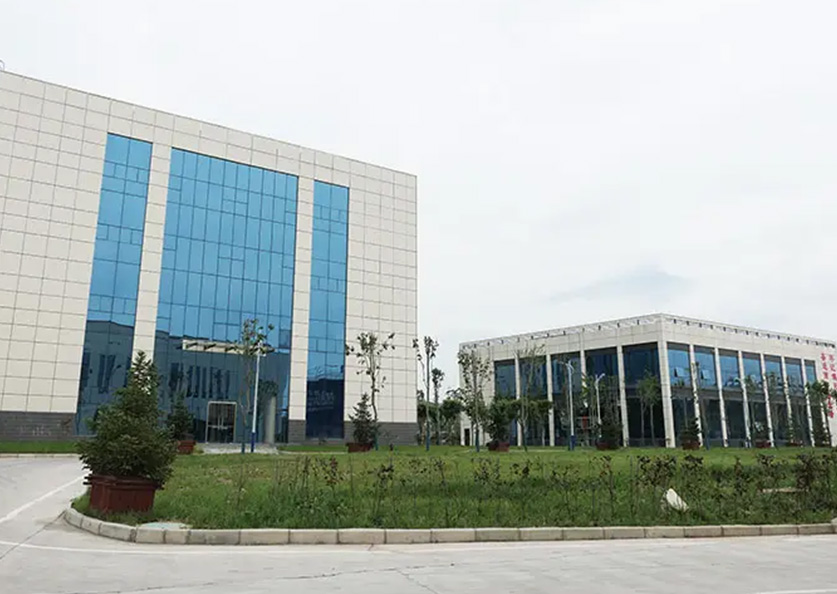
Our in-house lab uses advanced instruments like UPLC, HPLC, GC-MS, ICP-MS for quality control, ensuring raw materials meet strict international standards.
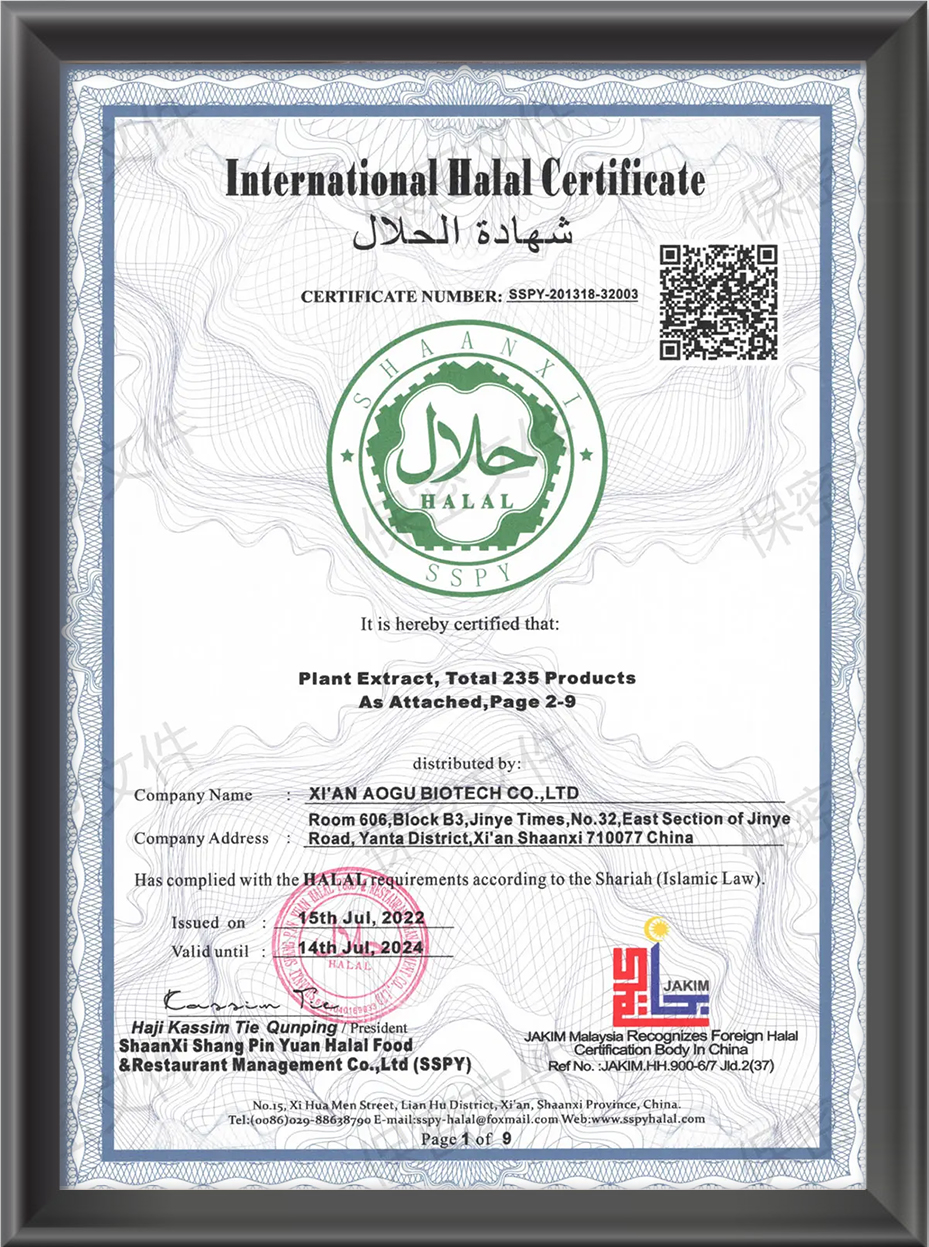
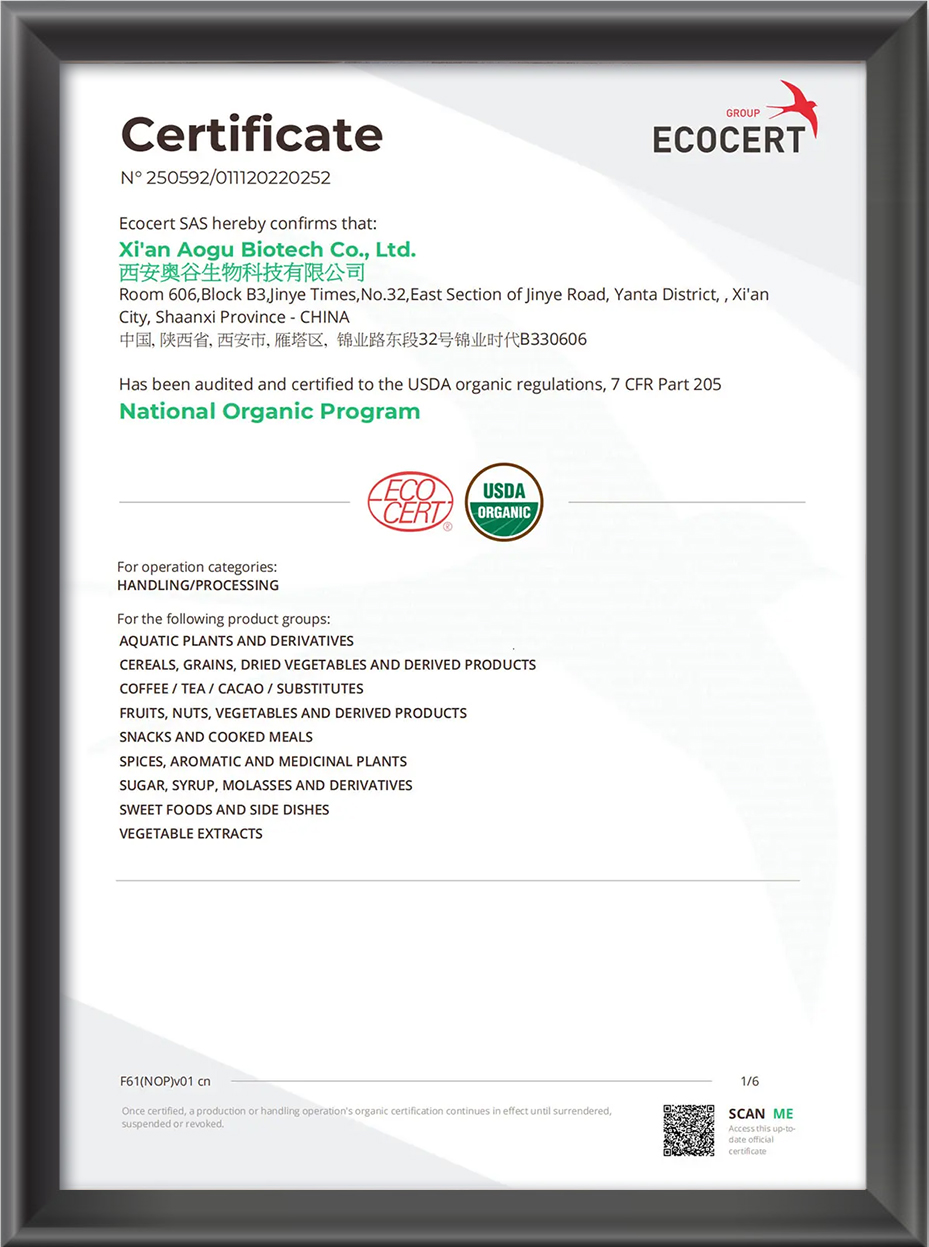
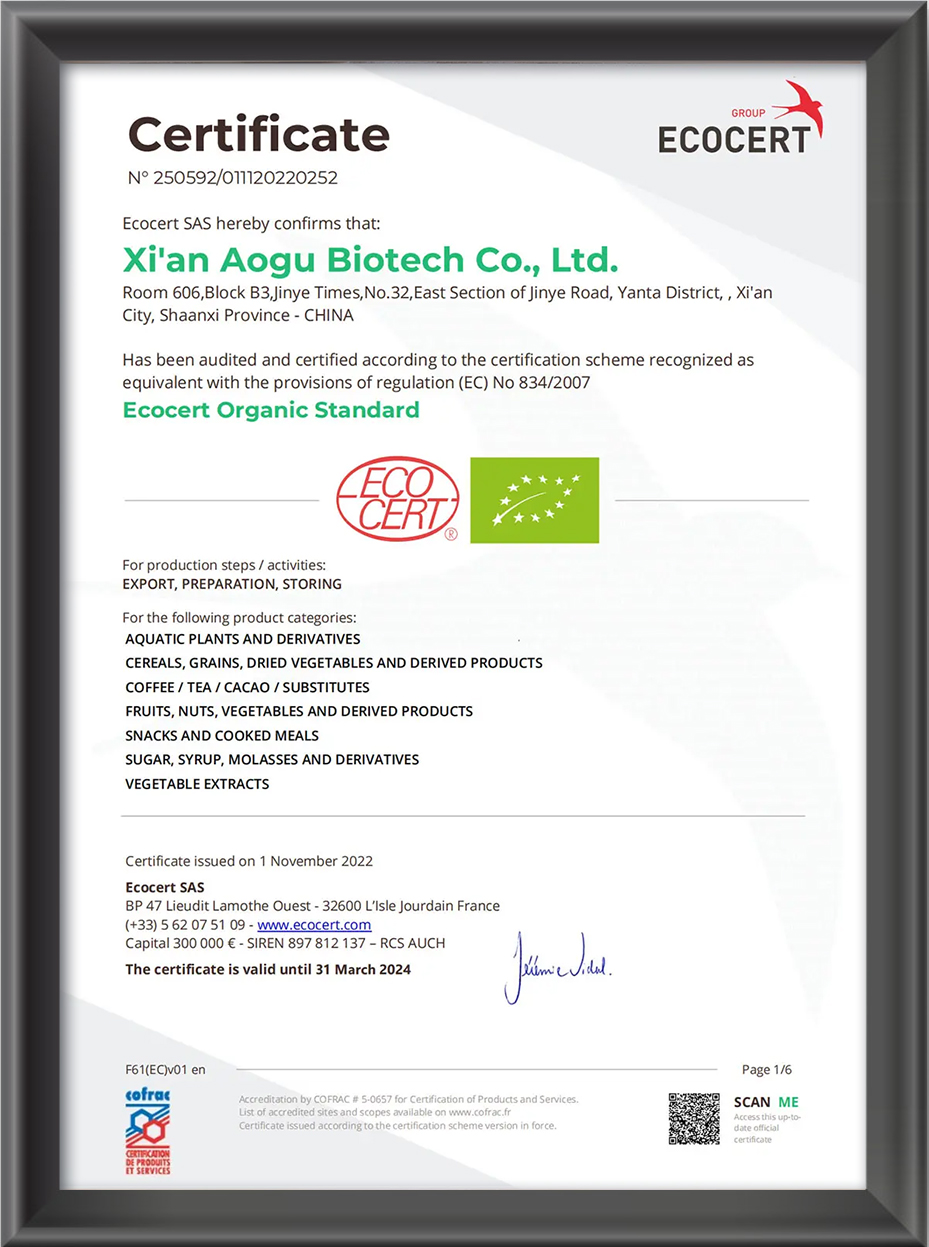
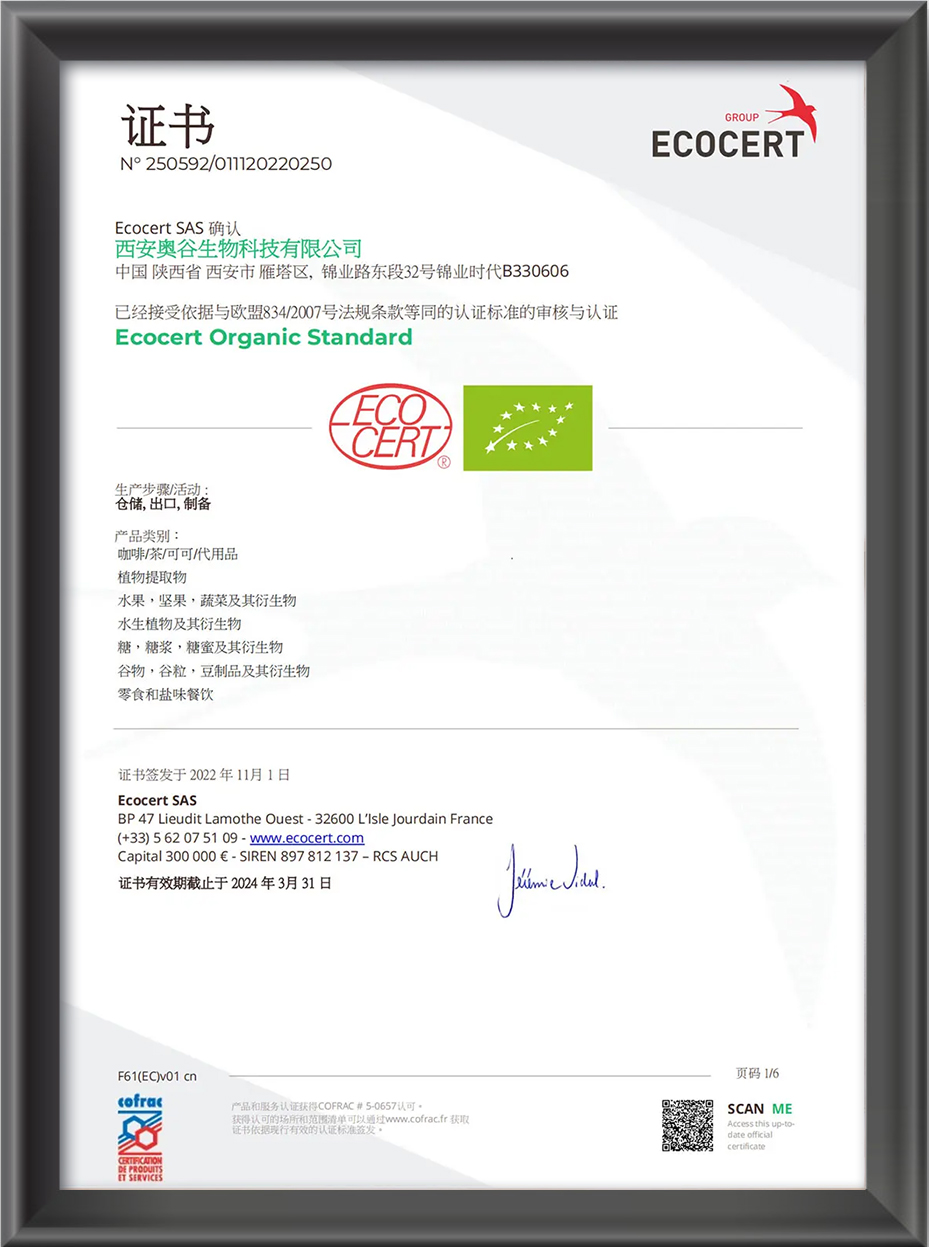
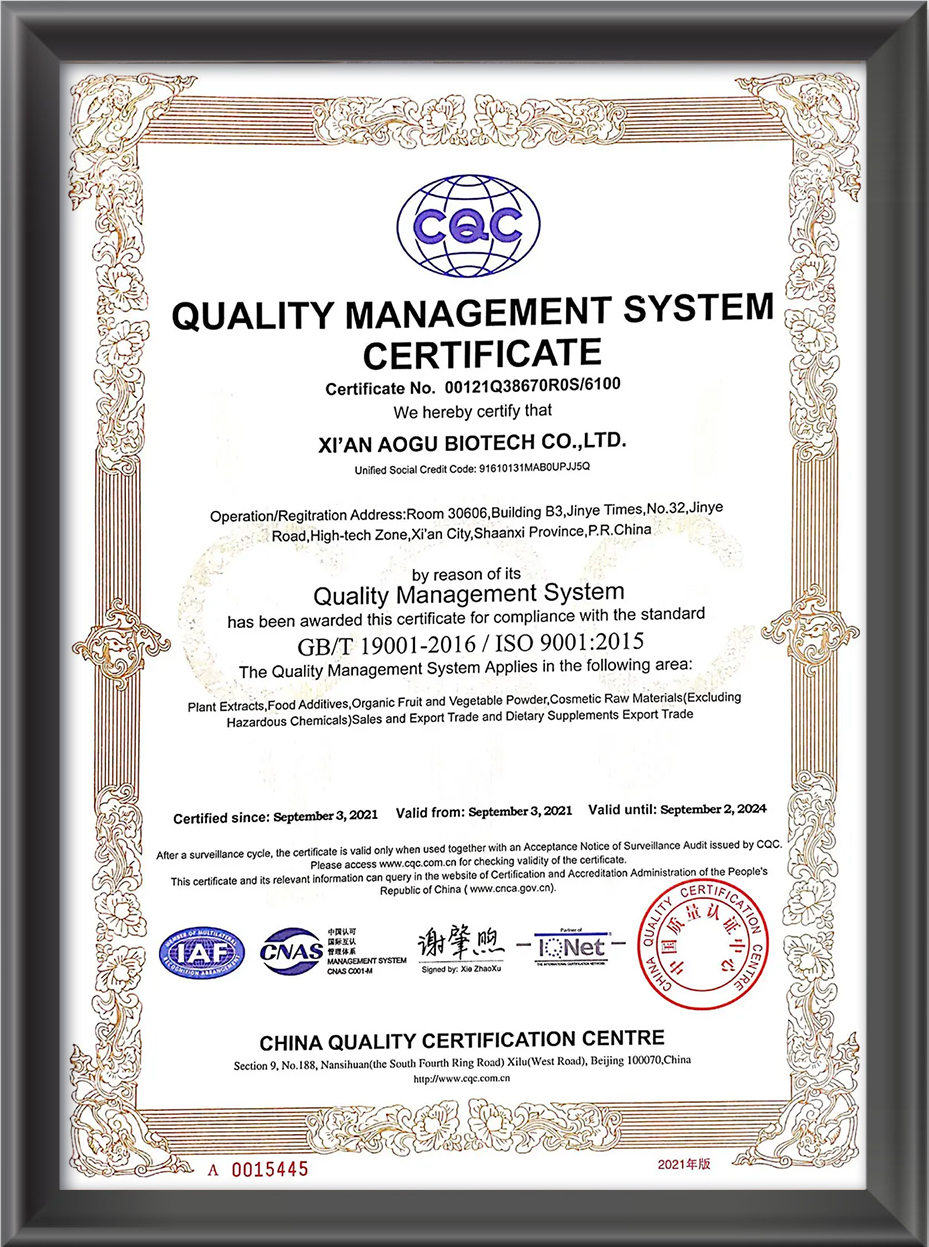
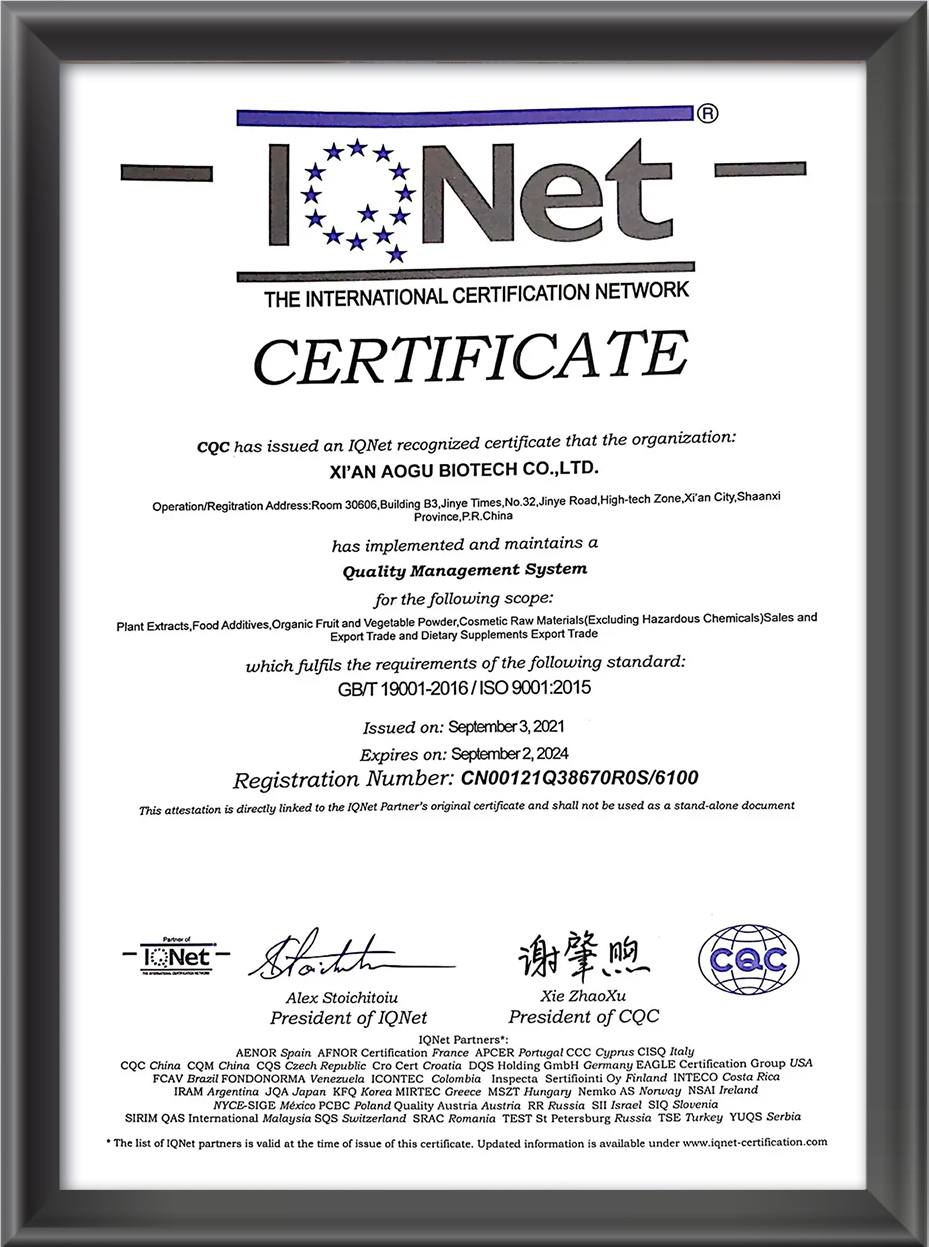
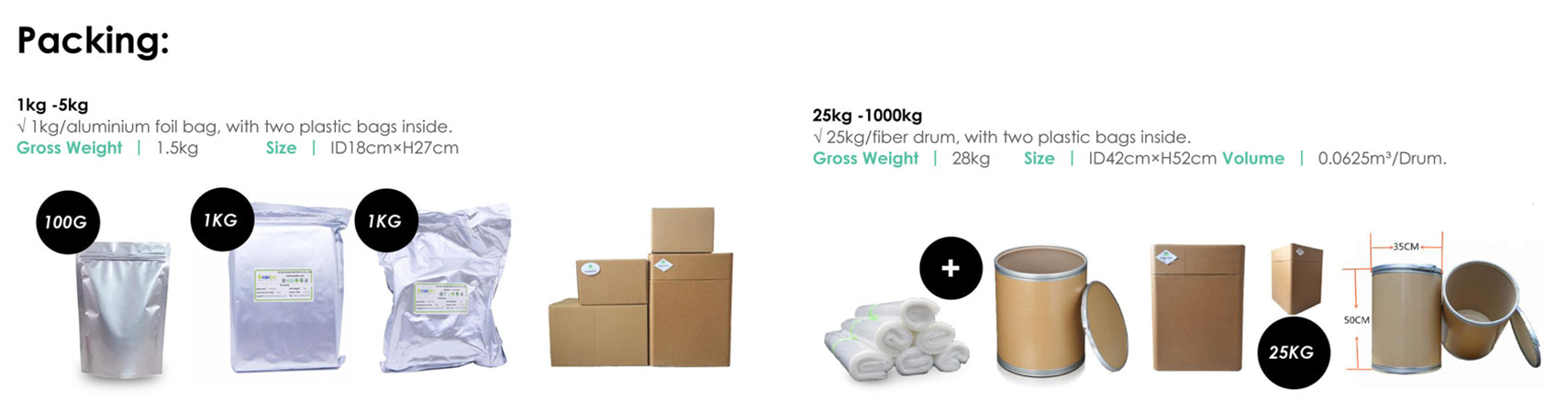
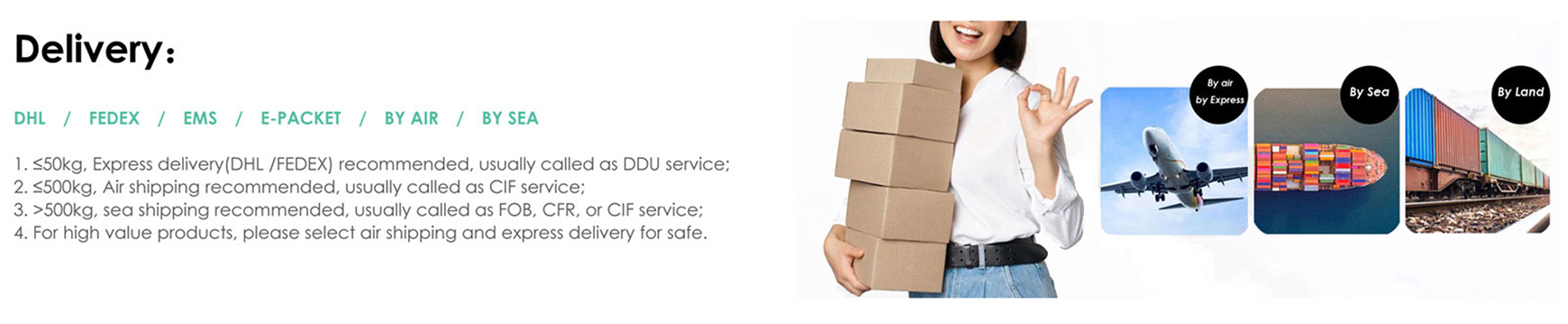
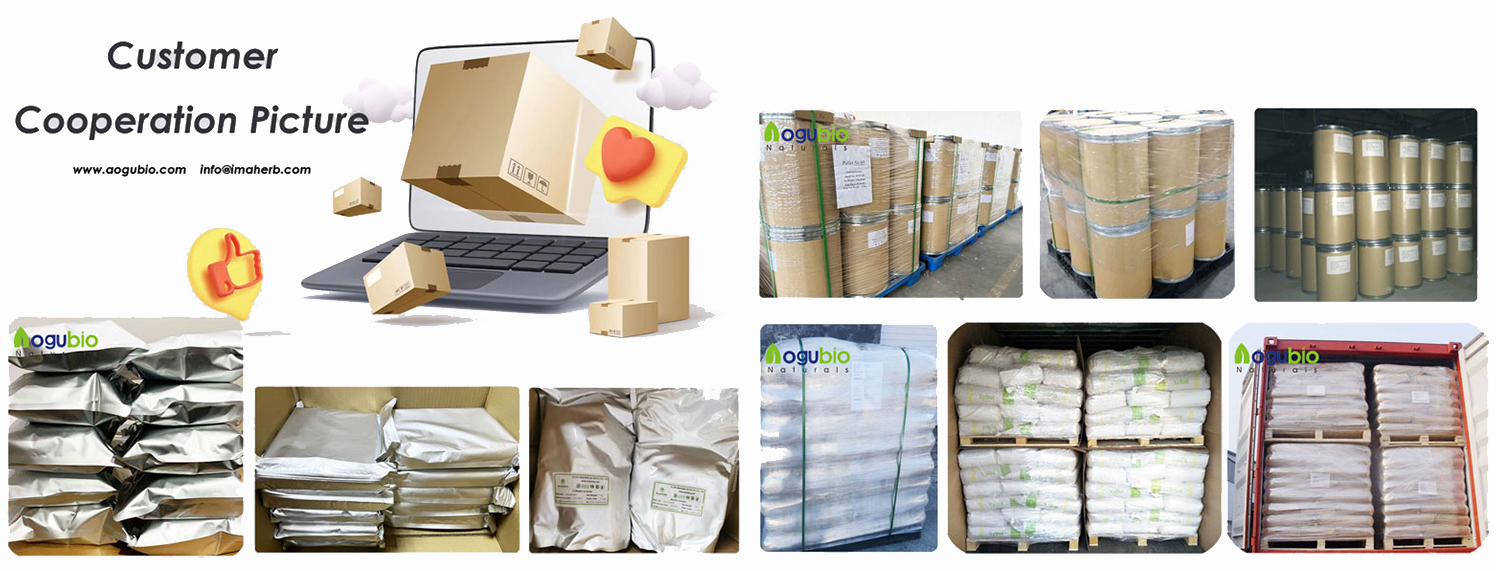
Our beta-arbutin and cosmetic raw materials are packaged under strict GMP-compliant conditions, ensuring product integrity, precise dosing, and safe international shipping.
In a competitive global market for cosmetic actives, sourcing the right beta-arbutin supplier is critical to formulation success. Aogebio stands apart through a combination of technical expertise, manufacturing scale, and uncompromising quality standards.
We provide an unmatched level of quality and service — from raw material sourcing through final product delivery. Every kilogram of beta-arbutin that leaves our facility carries with it over a decade of expertise in cosmetic science, rigorous quality control, and a genuine commitment to helping our partners create exceptional brightening products.
We provide an unmatched level of quality and service. Request your beta-arbutin product samples today and experience the Aogebio difference in your next serum or cream formulation.
Get Product SamplesDiscover our full portfolio of premium cosmetic actives — each engineered to deliver measurable results in brightening serums, anti-aging creams, and advanced skincare formulations.